Fetching Cosmic DataEstablishing Secure Uplink...
★ SYSTEM OBSERVER // DATABASE
Exoplanetary Archive
Index of discovered celestial bodies. Filter observations by physical metrics and atmospheric analysis.
QUERY_STRING
CLASSIFICATION
HABITABILITY_CLASS
CATALOG_QUERY_STATUS :: ACTIVERECORDCOUNT :: 5 OF 5
ID :: KEPLER-452B
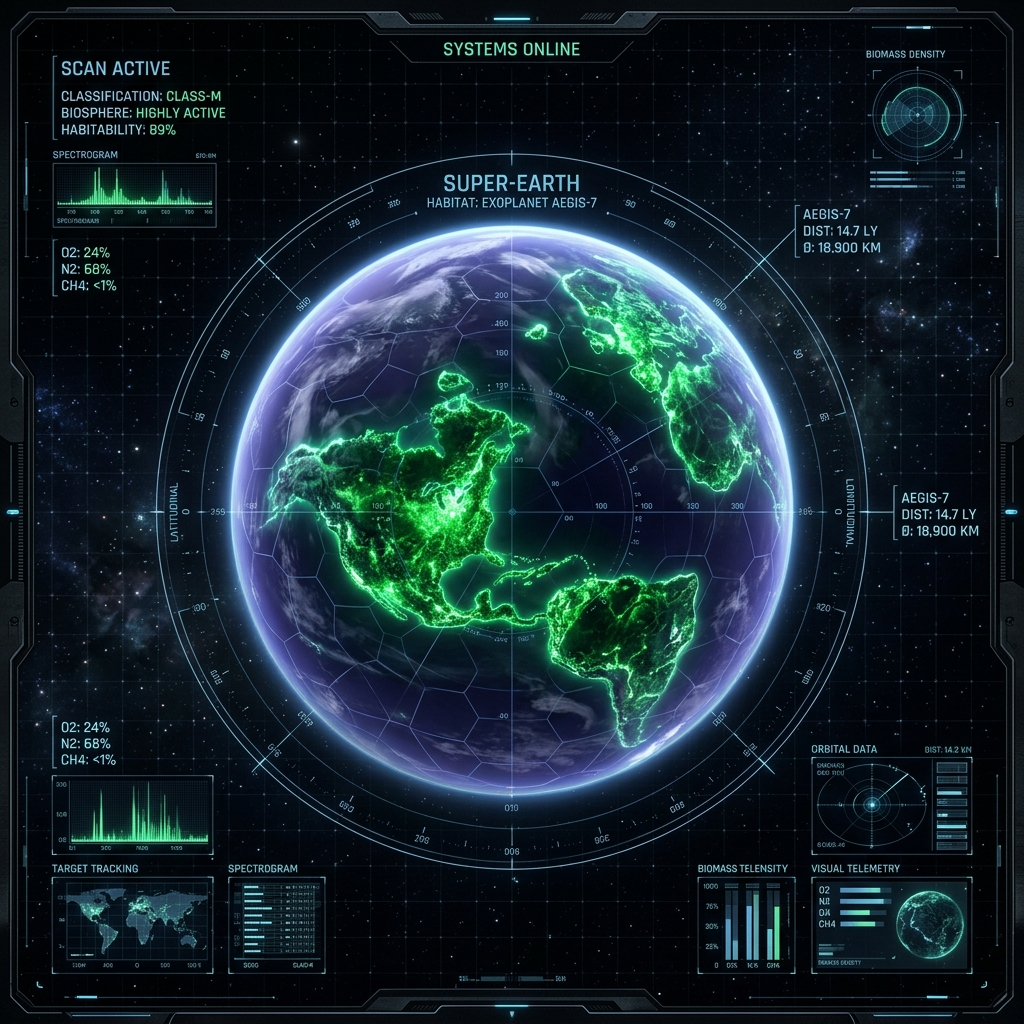
Kepler-452b
Super-EarthDISTANCE :: 1,402 light-years
Kepler-452b is the first near-Earth-sized planet found in the habitable zone of a star very similar to our Sun. Its star is about 6 billion years old, 1.5 billion years older than our Sun. While it has a higher mass and gravity, its orbital period is nearly identical to Earth, making it one of the most promising candidates for life.
TEMPERATURE-8°C (Average)
HABITABILITYHIGH
ID :: PROXIMA-B
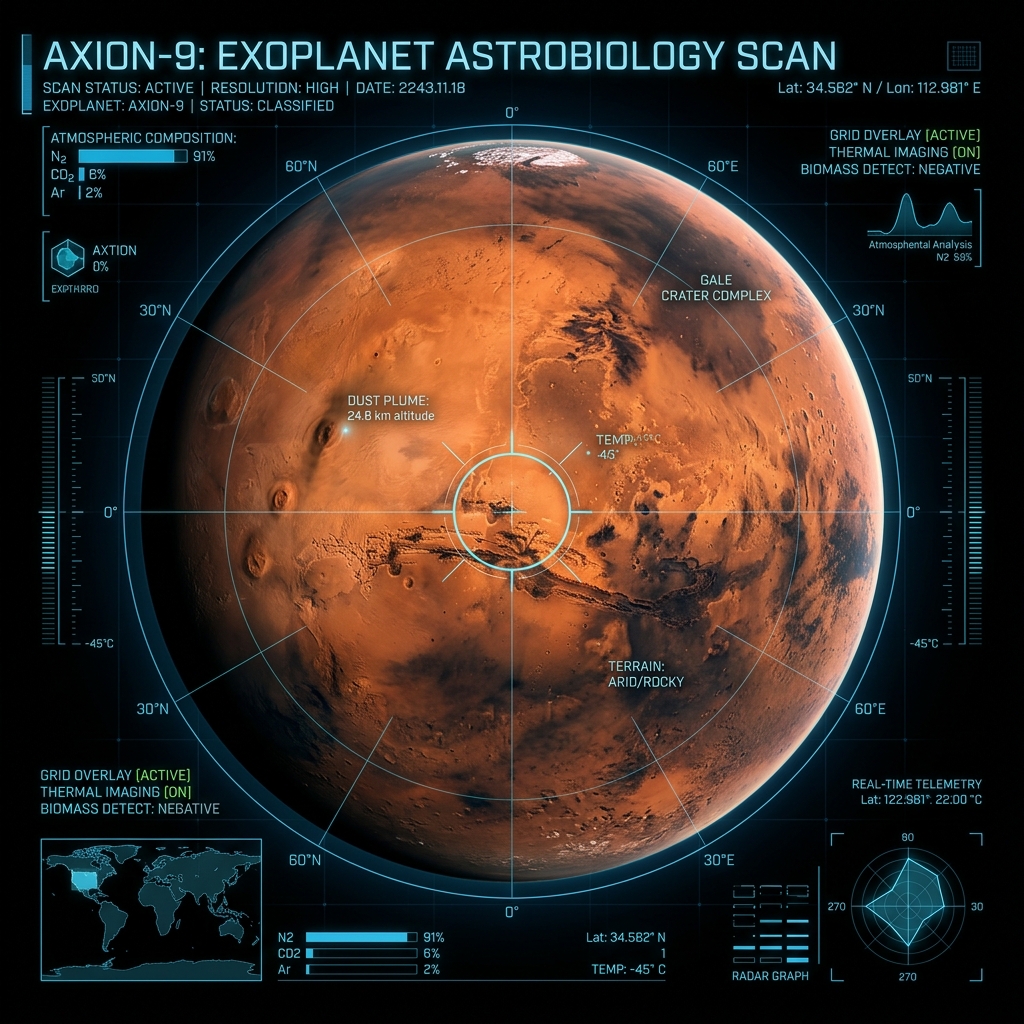
Proxima Centauri b
TerrestrialDISTANCE :: 4.2 light-years
Orbiting the red dwarf Proxima Centauri, this planet resides in the habitable zone where liquid water could exist. Despite its proximity to Earth, it faces extreme radiation from its host star, meaning any life would have to survive violent stellar flares. It is tidally locked, with one side forever facing its star.
TEMPERATURE-39°C (Average)
HABITABILITYMODERATE
ID :: TRAPPIST-1E
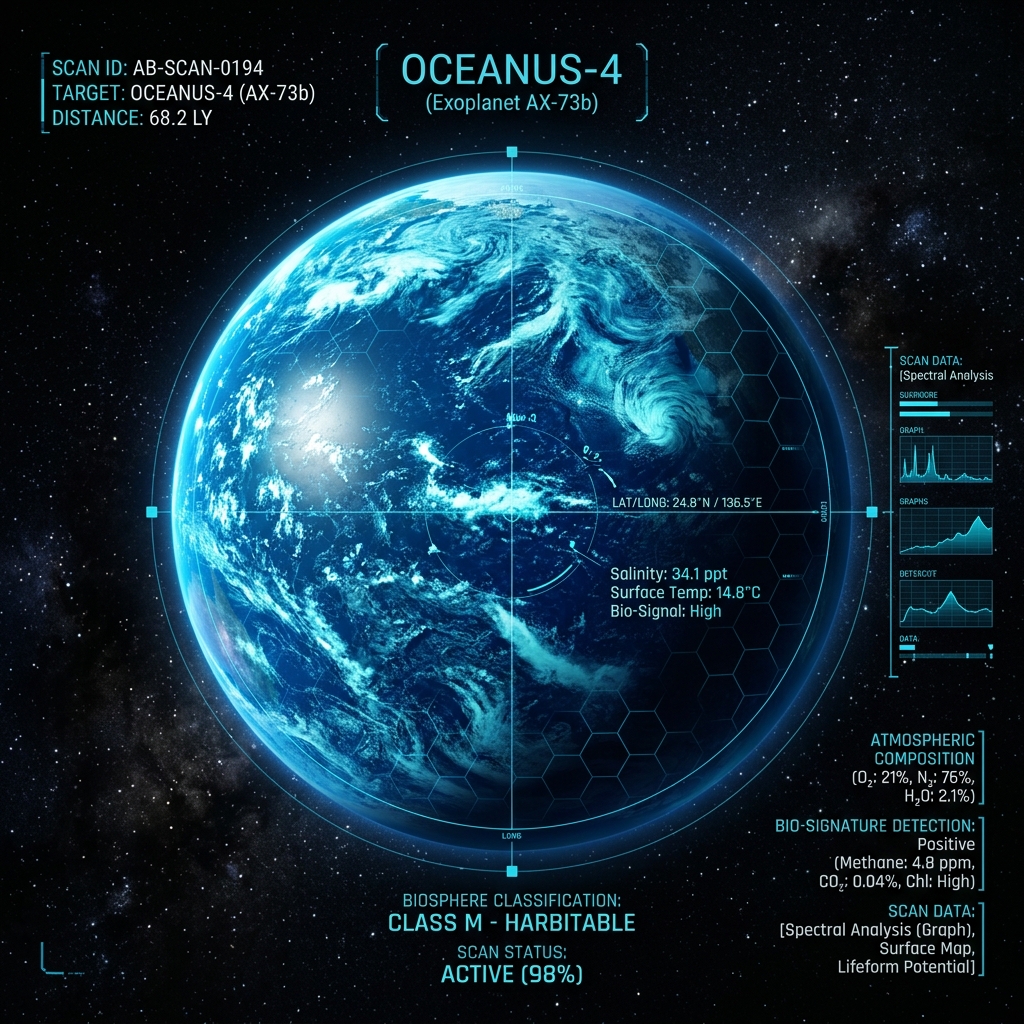
TRAPPIST-1e
Terrestrial (Ocean World)DISTANCE :: 40 light-years
TRAPPIST-1e is one of seven Earth-sized planets orbiting the ultra-cool dwarf star TRAPPIST-1. It is the most habitable-zone planet in the system, with a compact iron core and a high likelihood of hosting a global liquid water ocean. It displays similar density, gravity, and temperature profiles to Earth.
TEMPERATURE-22°C (Average)
HABITABILITYVERY HIGH
ID :: WASP-12B
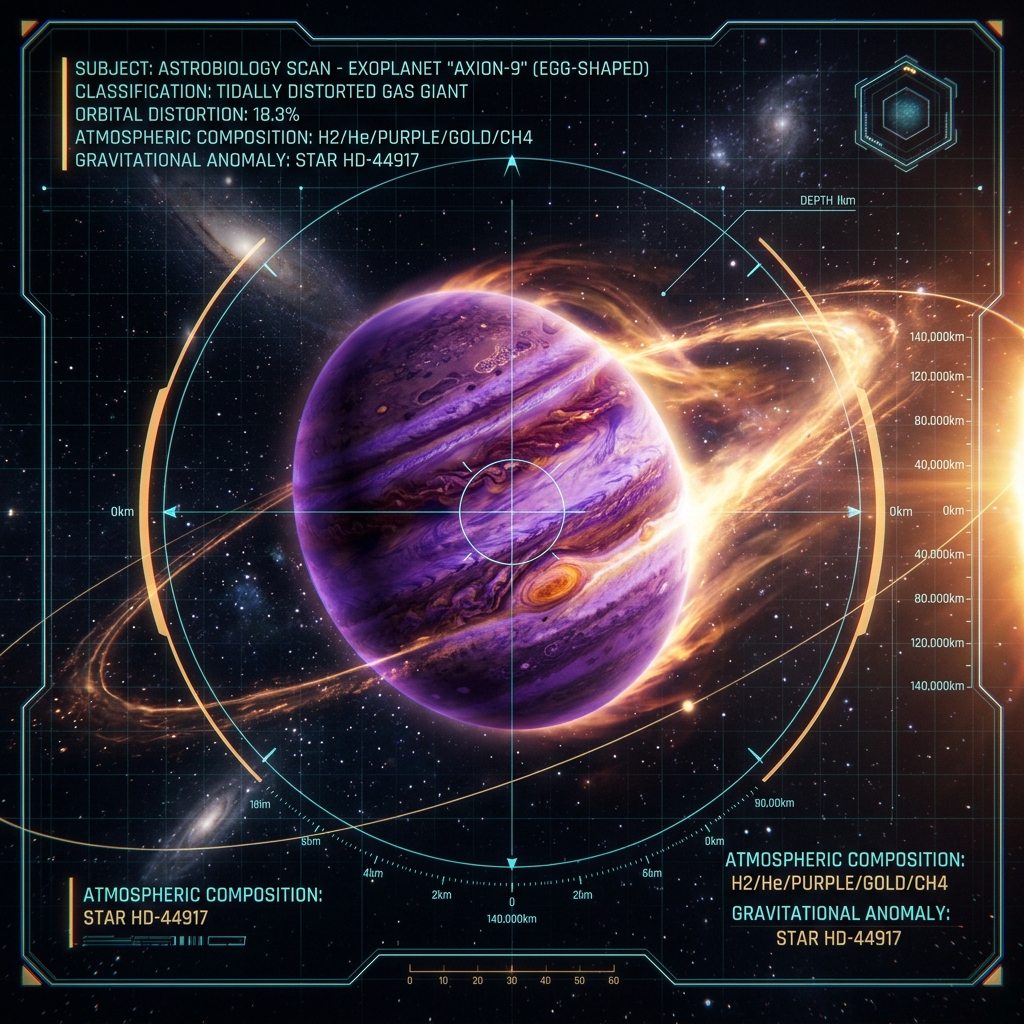
WASP-12b
Hot JupiterDISTANCE :: 870 light-years
WASP-12b is a hot Jupiter orbiting so close to its star that it is being slowly devoured. The star's immense tidal forces have stretched the planet into an egg-like shape and are heating its atmosphere to extreme temperatures. It is expected to be completely consumed in the next 10 million years.
TEMPERATURE2,210°C (Average)
HABITABILITYNONE
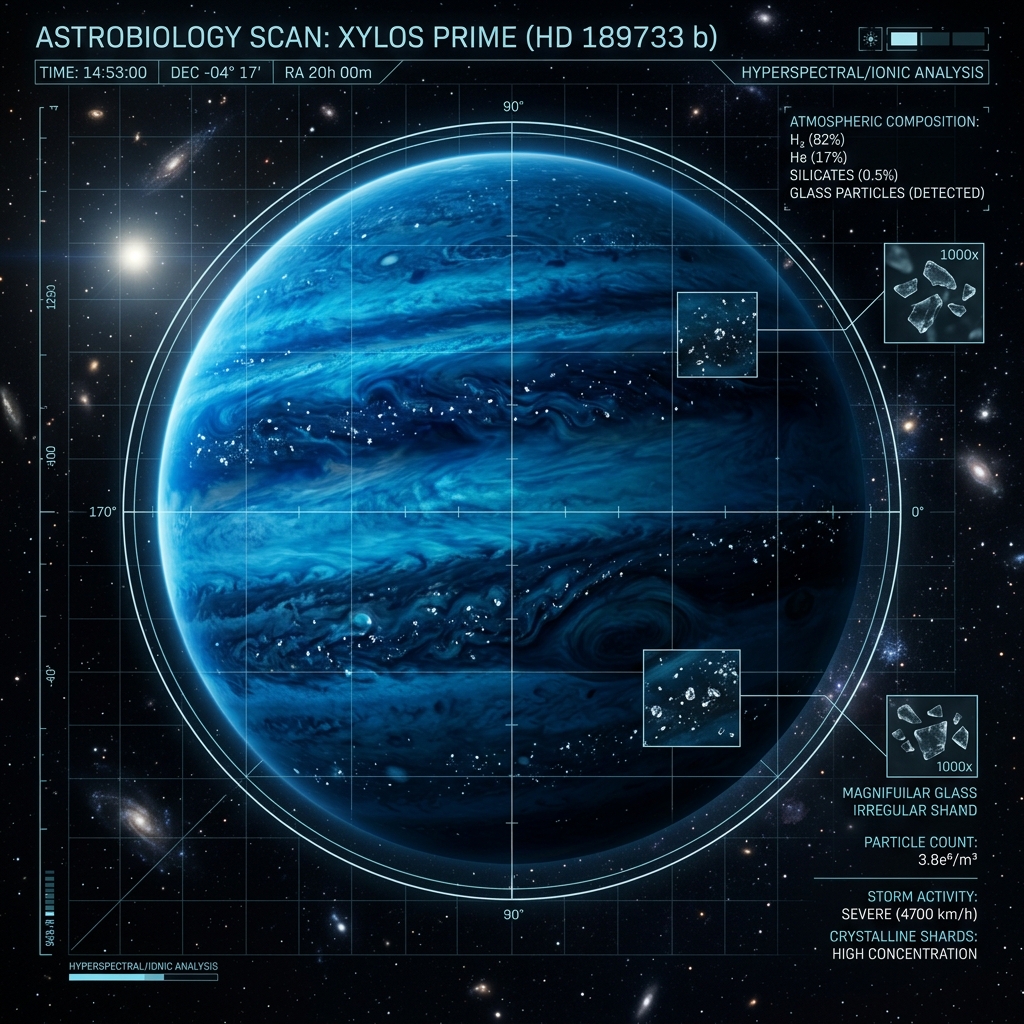
ID :: HD-189733B
HD 189733b
Gas GiantDISTANCE :: 64.5 light-years
This gorgeous blue planet looks peaceful from afar, but it features a deadly atmosphere. With winds howling at 8,700 km/h, the air is full of silicate particles that condense into glass, causing it to rain molten glass sideways. It is a stunning showcase of the extreme environments found in our galaxy.
TEMPERATURE930°C (Average)
HABITABILITYNONE